Description
A journey through the charms and mysticism of multifaceted India. We will arrive in Bombay, visit the grottoes of Ajanta and Ellora, we will be enchanted by the romantic Udaipur and Jodhpur, the blue city, and we will marvel visiting the popular circuit of the Golden Triangle. . Read more
We will begin our tour in Bombay, capital of the state of Maharashtra and the gateway to India. A city with an incredible transformation from its foundation to the present. We will arrive in Aurangabad, from where we will visit the renowned caves of Ajanta and Ellora.
We will fly to Udaipur, to be enchanted by its palaces, lakes, temples and gardens straight out of a fairy tale. Through the steep, wooded hills of Rajasthan we will reach Jodhpur, known as the blue city due to the color of many of the houses in the old city. On the way we will visit Ranakpur, one of the largest Jaimist complexes in the country.
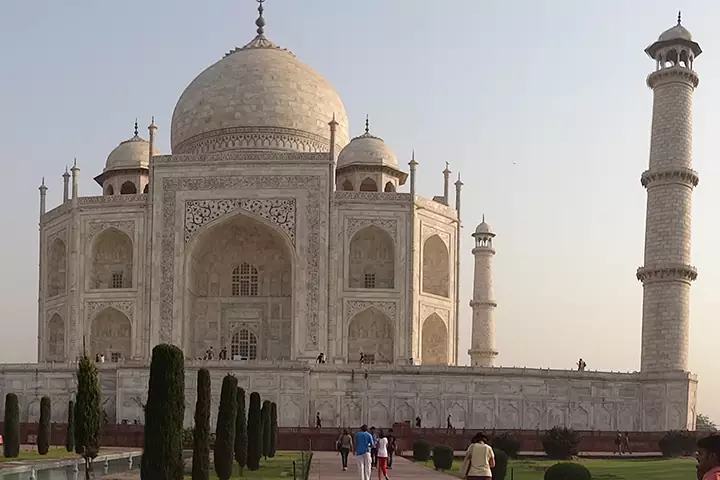
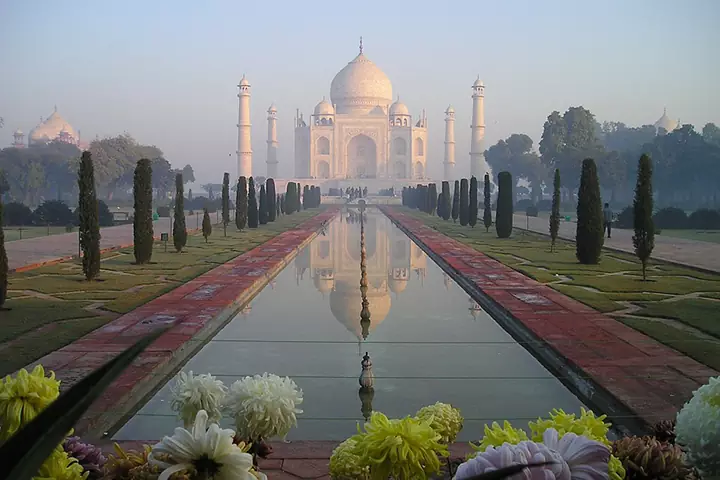
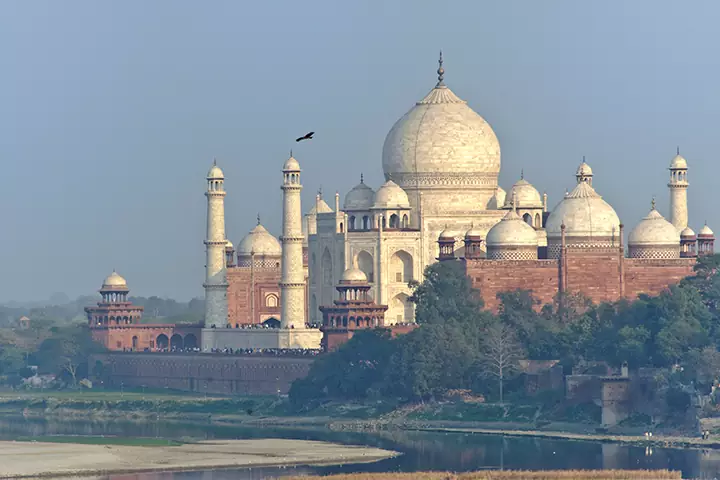
Continue to Jaipur, known as “the pink city”, to tour it and observe its temples and architectural wonders. We will marvel at the Taj Mahal in Agra, built by Emperor Shah Jahan in memory of his beloved queen.
We will end our fantastic tour in bustling Delhi, touring the most emblematic sites of Old Delhi by rickshaw.
Exit date
Private departures on any date
Bombay
Aurangabad
Udaipur
Ranakpur
Jodhpur
Jaipur
Agra
Delhi
- Day 1
- Day 2
- Day 3
- Day 4
- Day 5
- Day 6
- Day 7
- Day 8
- Day 9
- Day 10
- Day 11
- Day 12
Itinerary
Day 1 – Spain – Mumbai
Departure by scheduled flight to Bombay. Overnight on board.
Day 2 – Bombay
Arrival and transfer to hotel. Bombay is the gateway to India, commemorated with a monument of the same name built to mark the visit of King George and his consort, Mary. Today it is the main commercial and financial city of India and is in continuous movement. The history of Mumbai or Bombay as we know it is the story of an incredible transformation from its founding to the present. Built expressly by the British for trade, over the years it changed hands to the fishing village of the Kolis, by the conquest of the Portuguese and later to Catherine of Aragon, who took the seven islands of Bombay as her dowry to Charles II of England.
Free morning. In the afternoon we proceed to visit the city. We will visit several monuments, such as The Gateway of India, erected to commemorate the landing of King George V and Queen Mary in 1911; the collection of Indian paintings and sculpture in the Prince of Wales Museum; also Marine Drive, Chowpatty Beach, the Hanging Gardens of Malabar Hill, the Towers of Silence (funeral buildings of the Zoroastrian religion) and Crawford Market. Lodging.
Day 3 – Bombay – Aurangabad
Breakfast. At the agreed time transfer to the airport to catch our flight to Aurangabad. Arrival and transfer to the hotel. Aurangabad is the most convenient point to visit the renowned grottoes of Ajanta and Ellora. This city got its name from Aurangzeb, the last of the great Mughal emperors and after his death continued to be ruled by the Nizam Shahi dynasty. Rest of the day at leisure.
Lodging.
Day 4 – Aurangabad
Breakfast. Today we will take a full day excursion to visit the Ajanta and Ellora caves. The Ajanta Caves survived hundreds of years in the Sahyadri Hills to tell the story of a rich and glorious past from 200 BC to 650 AD. These grottoes were built to offer retreat for Buddhist monks who lived, taught and performed rituals in the Chaityas and Viharas, places of learning and cultural movement. Ajanta offers tapestries rich in imagery that speak of places, royalty, culture and tales of daily life in ancient India.
Next, we will visit the Ellora Grottoes, which represent the epitome of Indian stone-carved architecture. These 34 grottoes feature intricate interiors and ornate facades carved between 350 and 700 AD, the rock temples and monasteries represent three religions: Hinduism, Buddhism and Jainism. Return to the hotel. Overnight.
Note: Ajanta caves are closed on Mondays and Ellora caves on Tuesdays.
Day 5 – Aurangabad – Udaipur
Breakfast. At the agreed time transfer to the airport to take our flight to Udaipur. Arrival and transfer to the hotel. Udaipur, a beautiful walled city built around blue lakes in a valley surrounded by the lush Aravali Hills. The palaces, lakes, temples and gardens of Udaipur look like something out of a fairy tale.
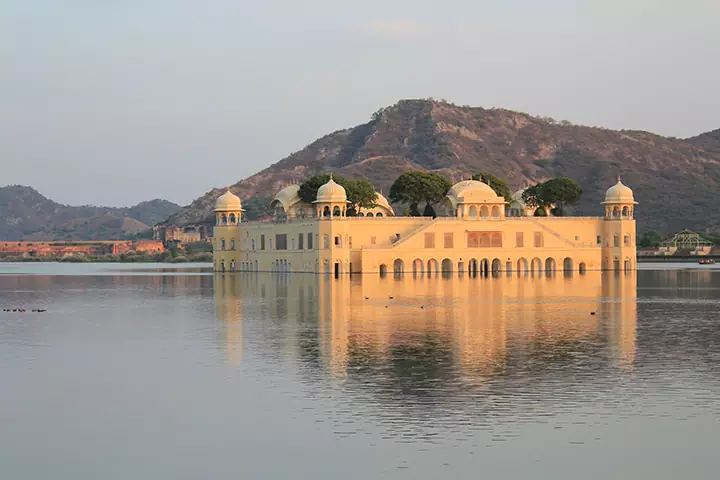
In the afternoon, we will take a boat ride on the placid waters of Lake Pichola, which covers the City Palace and Jag Mandir, a retreat of the rebellious Mughal prince Shah Jehan, soon to be the creator of the incomparable Taj Mahal.
Lodging.
Day 6 – Udaipur
Breakfast. We will visit the City Palace Museum, a marble and granite marvel overlooking Lake Pichola. Highlights of the complex include the three mahals (Baari, Dilkush and Moti), the Suraj Gokhada of the Sun Balcony, the Mor Chowk known for its beautiful peacock mosaics, the shrine of Dhuni Mata and the Rana Pratap Museum. This is the largest palace in Rajasthan, with exquisite craftsmanship which makes it a must visit. Near the City Palace is the Jagdish Temple (built in 1651 A.D.), which houses some imposing carved figures and overly ornate interiors. A short distance away is the Sahelion-ki-Bari or Maidens’ Garden which has four pools and delicately carved kiosks. Built in the early 18th century, the spectacular garden showcases a unique lifestyle of the royal ladies who once lived in the palace. Return to the hotel.
Lodging.
Day 7 – Udaipur – Ranakpur – Jodhpur (260 k m/6h)
Breakfast. Depart for Jodhpur by road on an exceptionally beautiful drive through the rugged, wooded hills of Rajasthan. On the way we will see the temples of Ranakpur, one of the largest Jain complexes in India and one of the five great holy places of Jainism. Continue to Jodhpur, also known as the blue city due to the indigo blue color of many of the houses in the old city. The old city of Jodhpur is surrounded by a 10 km long city wall, built about a century after the city was founded. It is a fascinating jungle of twisting streets that are extremely interesting to wander through. Arrival at the hotel and rest of the day at leisure.
Lodging.
Day 8 – Jodhpur – Jaipur (324 km/07h)
Breakfast. We will explore the city visiting its magnificent Meherangarh Fort protected by high stone walls with seven gates and countless bastions full of courtyards and palaces, many of which house interesting museums. We will also see the immense Umaid Bhawan Palace, built between 1928 and 1943 by Maraja Umaid Singh and Jaswant Thada, an imposing white marble cenotaph.
We will then drive to Jaipur, the capital of Rajasthan province, known for its handicrafts, jewelry, hand-painted fabrics and stone carvings. It is one of the clearest examples of a planned city that embodies the best of Rajasthani and Mughal architecture in northern India. Arrival at the hotel and free time.
Lodging.
Day 9 – Jaipur
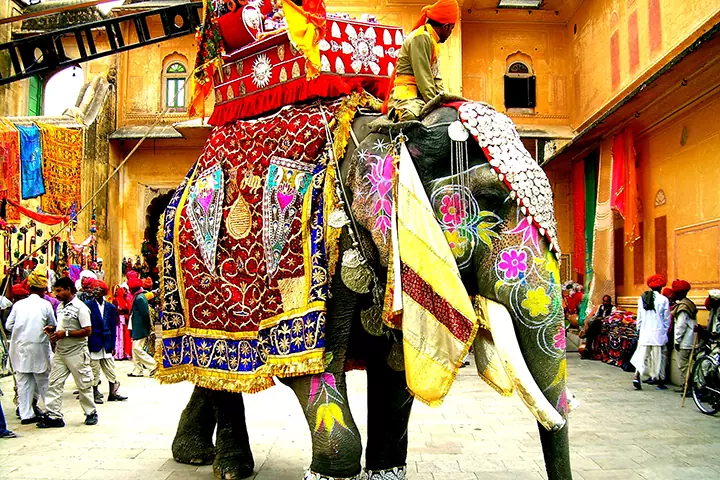
In the morning we will begin our tour of Jaipur with a visit to the majestic Amber Fort. We will ride on elephant back to the fort, which was the first capital of the kings. We will find the palace within the huge fort complex filled with halls, gardens, pavilions and temples. We recommend visiting the Hall of Mirrors, in which a match can illuminate the entire room. In the afternoon we will visit the City Palace Museum where we will see an impressive mix of traditional Rajasthani and Mughal art. The museum is resplendent with its collection of princely attire, carpets, an armory of old weapons, miniature paintings depicting court scenes, battle scenes and processions. We will also visit the amazing Jantar Mantar (an accurate observatory built in 1726 A.D.) and take a photo tour of the Hawa Mahal (Palace of the Winds) a five-story marvel with a spectacular pyramidal façade and projecting windows with latticed screens, domes and spires. Afterwards, we will enjoy a stroll through Jaipur’s colorful markets.
Lodging.
Day 10 – Jaipur – Fatehpur Sikri – Agra (285 km/6h)
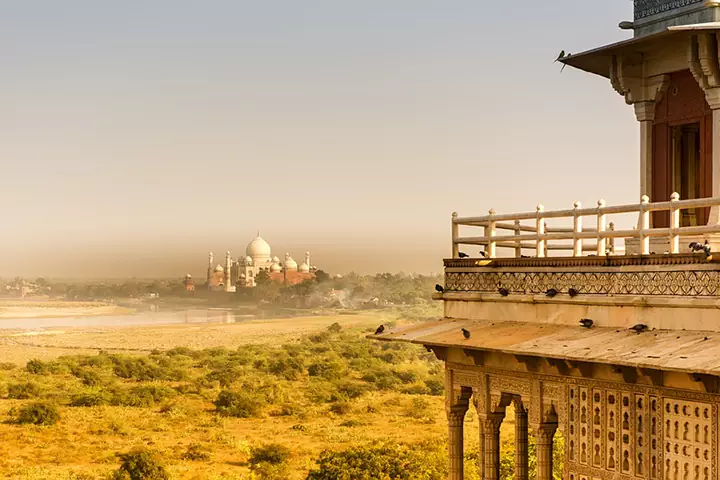
Breakfast and departure to Agra. En route visit the city of Fatehpur Sikri built by Emperor Akbar in 1569 as his new capital. The place must have been abandoned due to water shortage. Here we will see some spectacular buildings such as Jama Masjid, Diwan i Khas and Panch Mahal, among others. Arrival and check in at the hotel. We will then visit the impressive Agra Fort, the throne and stronghold of successive generations of the Mughal Empire. The buildings within this complex represent the assimilation of different cultures, a hallmark of the Mughal period. Most of the structures inside the fort are a mixture of different architectural styles. Lodging.
Day 11 – Agra – Delhi (204 km/5h)
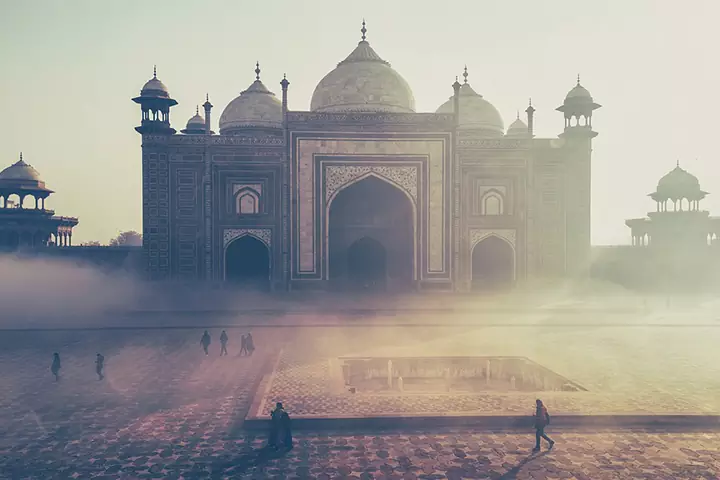
Breakfast. In the morning we will visit the Taj Mahal, masterpiece of Mughal architecture, a funerary monument built by the Sah Jahan as a symbol of love for his wife Mumtaz Mahal, is today one of the wonders of the world. Enjoy a ride in Tonga (traditional horse-drawn carriage) from the parking lot to the Taj Mahal (one way).
We will then depart for Delhi by road. Arrival in Delhi, the capital and third largest city of India. Overnight stay.
Note: The Taj Mahal is closed on Fridays.
Day 12 – Delhi – Spain
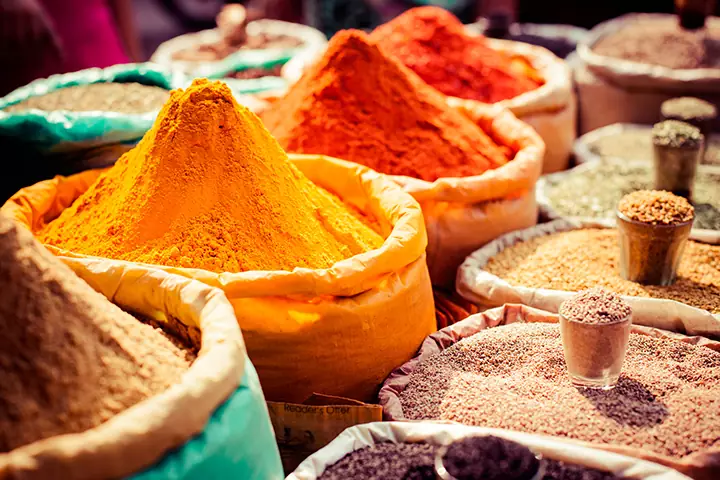
Breakfast. In the morning, visit of the city. We will visit the old and the new part of the city. The division between the two areas marks a clear difference in styles; while the old walled part preserves the legendary monuments and buildings, the new one tries to get closer to a 21st century city. We will enjoy a Rickshaw ride, a traditional cart pulled by a man. We will see the Red Fort complex, the most opulent Palace and Fort of the Mughal Empire. The fort is Shah Jahan’s symbol of power and elegance built behind red sandstone walls. Its main gate (Lahore Gate) opens onto Chandni Chowk, the perpetually congested avenue leading west from the fort complex, lined with crooked streets, lanes and crowded bazaars. We will also visit Raj Ghat, the memorial to Mahatma Gandhi; Jama Masjid, India’s largest mosque; and Chandni Chowk, the bustling and colorful marketplace of the old city.
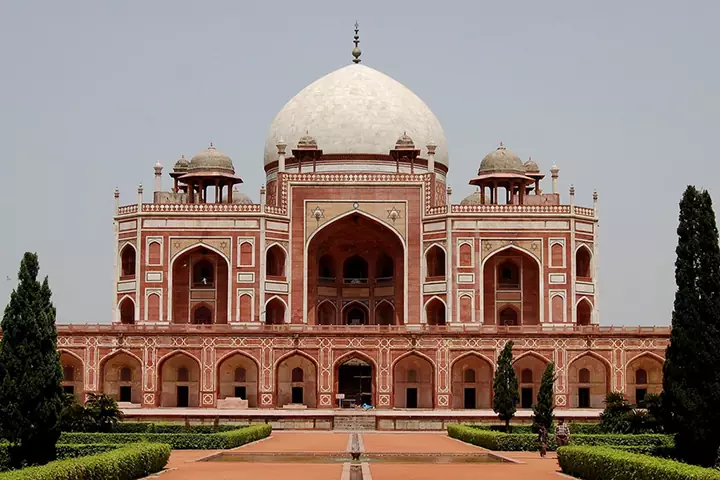
In complete contrast to Old Delhi, New Delhi was designed and built by the British in the 1920s. It is a city of wide boulevards, impressive government buildings, green parks and gardens. We will visit two monuments of the city’s past: Humayun’s Tomb and Qutab Minar. Our walk will take us along the ceremonial avenue, Rajpath, through the imposing India Gate, the Parliament House and the presidential residence.
Then transfer to Delhi International Airport to catch our flight back to Spain.
Prices
| Low Season (16 April – 30 September 2025) |
|
| 2 persons | 3.130 € |
|---|---|
| 4 – 6 persons | 2.640 € |
| Individual suppl. | 690 € |
What does it include?
Flights
International flights Spain – Bombay and Delhi – Spain, economy class
Domestic flights according to itinerary
English-speaking assistance on arrival/departure
Transfers
Inter-city ground transportation in air-conditioned vehicle
Staff
Excursions and visits with Spanish-speaking local guide
Tickets/Activities
Entrance fees to monuments
Rickshaw ride in Delhi
Elephant ride to visit Amber Fort (subject to availability)
Taxes
All applicable government taxes
Insurance
Travel insurance. Check here the conditions
24-hour telephone assistance
Lodging
Lodging in indicated hotels or similar in double room with breakfast


What is NOT included?
Seasonal air supplement
Visa (must be arranged in advance from Spain)
Beverages at lunch and dinner
Optional excursions
Tips
Extras not specified
Practical information
Situation
India is located in South Asia, between Burma and Pakistan.
Recommended time of year
All year round.
Weather
It can be divided into three seasons: cool (October to February), hot (March to June) and rainy (June to September). Only the mountainous areas have really cold temperatures.
Documentation
Passport with at least six months validity and visa, which must be obtained from Spain in advance.
Vaccines
None mandatory. Hepatitis A, hepatitis B and typhoid recommended.
Languages
Hindi and English are the most widely spoken languages although India has 18 official languages and more than 1,600 dialects. English is a useful language and the one used by Hindus to communicate.
Currency
Indian Rupee.
Time difference
GMT + 5:30h.
Electricity
230-240 volts, 50Hz. Adapter is needed for European plugs in some places.
What to bring
Comfortable and cool clothing and footwear, sun hat or cap, sunglasses, sunscreen, sun protection cream, small backpack for hiking, mosquito repellent, camera or video camera, personal first aid kit.